Sleep Sober: Effective Strategies To Rest Without Alcohol
This therapy can help you break free from the reliance on alcohol as a sleep aid and develop long-term sustainable sleep practices. By practicing these natural methods to promote sleep, you can create a calming and soothing environment that supports healthy sleep patterns. Experiment with different techniques to find what works best for you and incorporate them into your nightly routine. Remember, consistency is key in retraining your body and mind to fall asleep naturally and without relying on alcohol. Even one drink can disrupt your sleep cycle, which means you might notice that you feel more deeply rested as soon as the first night of your break from alcohol.
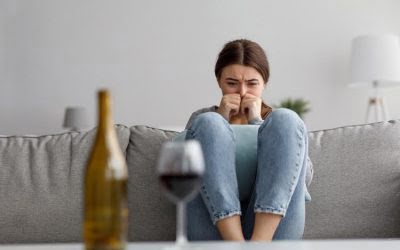
Mental Health and Mood Changes in Early Recovery
- It can also increase your risk for many different types of cancers.
- Once you abstain from it, your brain can start rebalancing itself, leading to better cognition, improved concentration, and memory – crucial elements for professional success.
- Some sleep aids can interact with other medications or have side effects, and it’s important to understand the risks and proper dosage.
- Moreover, if the individual has any other underlying health issues, the duration might prolong as their body is already in a compromised state.
- This practice helps stabilize your circadian rhythm, which is your body’s internal 24-hour clock that controls your sleep-wake cycle.
Lifestyle changes and sleep hygiene practices can significantly influence the speed and extent of sleep improvement. Regular exercise, a balanced diet, and stress management techniques can also contribute https://ecosoberhouse.com/ to better sleep quality. Alcohol is often used as a sleep aid, but its long-term effects can undermine the quality of your sleep.
Tonsillitis Sleep Solutions: Effective Ways to Rest and Recover
Lastly, solid sleep can help maintain a strong immune system, reducing the risk of falling ill and ensuring a more consistent work schedule. Plan ahead and take steps to reduce sleep loss during this very busy season. Taking any other substances that have a sedative effect should be avoided unless a doctor prescribes them. Doing so without medical supervision can trigger a new addiction to another substance. Alcohol also impacts other chemicals like adenosine, which prevents the brain from becoming stimulated. To learn about NHLBI sleep research and find more sleep-related information, visit the Sleep Health alcoholism treatment Education and Awareness pages.
One week without alcohol
- Most of this inflammation will be gone by your fourth week of abstinence.
- Your body and brain tell you that you need the initial relaxation to wind down, but this is not necessarily true.
- There may be temporary side effect while your body and mind are healing.
- Saving the money you would have spent on alcohol will provide you $300–$400 or more by this second week.
- Certain essential oils, when incorporated into your bedtime routine, can help you sleep better.
For example, every night when you enter REM sleep (rapid eye movement) your brain stores the memories acquired during your day. After drinking alcohol you spend less time in REM, which explains why you sometimes can’t remember how to sleep without alcohol what you did the night before. Have you reached the stage where you can’t fall asleep without alcohol? Read on to discover the science behind this and for some proven solutions to change this habit. For those considering quitting alcohol, the potential for improved sleep quality can be a powerful motivator.
Managing Stress and Anxiety
Decaffeinated tea, such as chamomile tea, has a relaxing effect and can help you unwind at night. The desire for alcohol is frequently the result of boredom, therefore if the mind is engaged in something else, you’re less likely to reach for that bottle. RISE tracks your sleep debt each night, so you can see whether skipping alcohol is really causing sleep loss. Navigating the journey to sleep better without alcohol can be challenging but is incredibly rewarding.
Optimize Your Bedroom for Deep Rest
Continue your journey and explore the science behind insomnia after alcohol detox. In a normal circadian rhythm, hormones are released at certain times throughout the day. Alcohol interrupts this process, causing abnormalities in how circadian hormones are released. This might include writing down your thoughts in a journal, setting out your clothes for the next day, or making a list of tasks to tackle tomorrow. Clearing your mind can prevent late-night worrying and overthinking that can impede sleep. The blue light emitted by screens on smartphones, tablets, and computers can interfere with the production of melatonin, the hormone that regulates sleep.
Categories: Sober living
Contact Us

 Subscribe